When Strategy Runs Ahead of the People Who Execute It
Focus on your culture. Because culture is like air, people don't understand how important that is. Leaders, managers, employees, they don't understand how important it is to establish that environment no matter what seasons the organization is going through, people will stand by you in those seasons, or people will build a resilience to be able to weather those storms.
Listen to excerpt
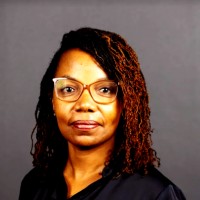
When Nduku Malombe joined Zenysis, the tech startup had just secured Series B funding and was ready to grow up. The company had moved past the early days of hiring bodies to get work done—now they needed systems, structure, and people who knew how to build them.
Nduku came in as Chief People Officer to help the organization mature. They had never done strategic workforce planning. They had a strategy document that looked nice on paper, but when she asked how they knew they had the right people in place to execute it, the leadership team didn’t have an answer. “They just used to just bring people,” she recalls.
The shift from scrappy startup to structured organization required more than new processes. It meant teaching people to think differently about change itself. Before Nduku arrived, the organization had what she describes as “a very low threshold for change.” Whenever something shifted, people would leave. There was no foundation for resilience.
She introduced change management principles and brought people along transparently. The result surprised her: “People stayed. They’re like, I trust what’s happening here.” By the time the organization went through a major restructure, the workforce had developed genuine resilience—something she hadn’t expected to see so quickly.
But the gap that kept appearing, regardless of the initiative, was between strategic thinking and human execution. Managers and leaders could engage brilliantly at the design level. They’d ideate on new structures, contribute ideas, understand the rationale. Then came implementation.
” We are stuck because we have this middle tier of leaders and managers who can’t translate that into how they show up, how they have a conversation with someone, right? They’re like, ‘Oh, I’m talking to this person and I’m explaining to them that in this is gonna be their new role, this, but they’re pushing back. I don’t know what to do.’ ”
The problem, Nduku believes, is that organizations treat the people development side as an afterthought. The initiative is tracking, the structure looks good—but manager readiness lags behind. “We think about the people, the development side, like, as an afterthought. And so people are not prepared to move into that.”
Making the “head and heart connection,” as she calls it, is the hardest part. Managers understand change intellectually but struggle to embody it in daily interactions. They can’t bridge the distance between strategy and the human beings who have to live with it.
Her approach to developing managers starts with resetting expectations. At a previous organization, she built training around a fundamental question: what actually is a manager? “We quickly promote people into these roles, and they have no idea, or everybody has a different starting point of what they understand to be a manager.” Her solution was to start everyone from the same baseline—leaders, executives, everyone—then tier the learning based on role and pace.
She also shifted performance management toward coaching. The philosophy: employees own their development journey, the organization fosters a culture that supports it, and HR facilitates and checks for effectiveness. Check-ins became coaching conversations rather than status reports. “I always wanted to walk away where I’m doing less of the talking,” she says. “How can I support them? What challenges are you facing?”
When asked what single resource would most impact manager skills and team health, her answer comes without hesitation: coaching.
” Ongoing coaching. Not the professional development where we pay for people to go to seminars. No! Coaching, coaching, coaching all the way! Honestly, it is the one of the most underdeveloped skills. I’m sorry to say, even at the lead executive level. It is.”
She recalls suggesting coaching to Zenysis’s CEO—a technical founder who initially resisted. By her last conversation before leaving the company, he told her he wouldn’t have been as effective without that investment. “Leaving that organization and hearing that, I said, okay, mission accomplished.”
Her advice for leaders in mid-sized organizations is equally direct: focus on culture.
“Because culture is like air, people don’t understand how important that is to establish that environment where, no matter what seasons the organization is going through, people will stand by you in those seasons. Or people will build a resilience to be able to weather those storms.”
When belonging is real—when people feel seen, heard, and cared for—the rest follows. They stay through hard transitions. They become advocates. And the focus on bottom-line business results stops crowding out the human-centered work that makes those results possible.